

SI77 – The Tragic Death of Benji Cevera; What Every First Responder Needs to Know
Law enforcement officers are often in situations that mere mortals could only imagine, or, perhaps, would not want to imagine. There can and will be life-and-death situations, and sometimes such decisions need to be made in mere seconds or even fractions of seconds. However, officers are also placed in potential life-and-death situations that allow them to slow things down and truly make choices that can impact lives.
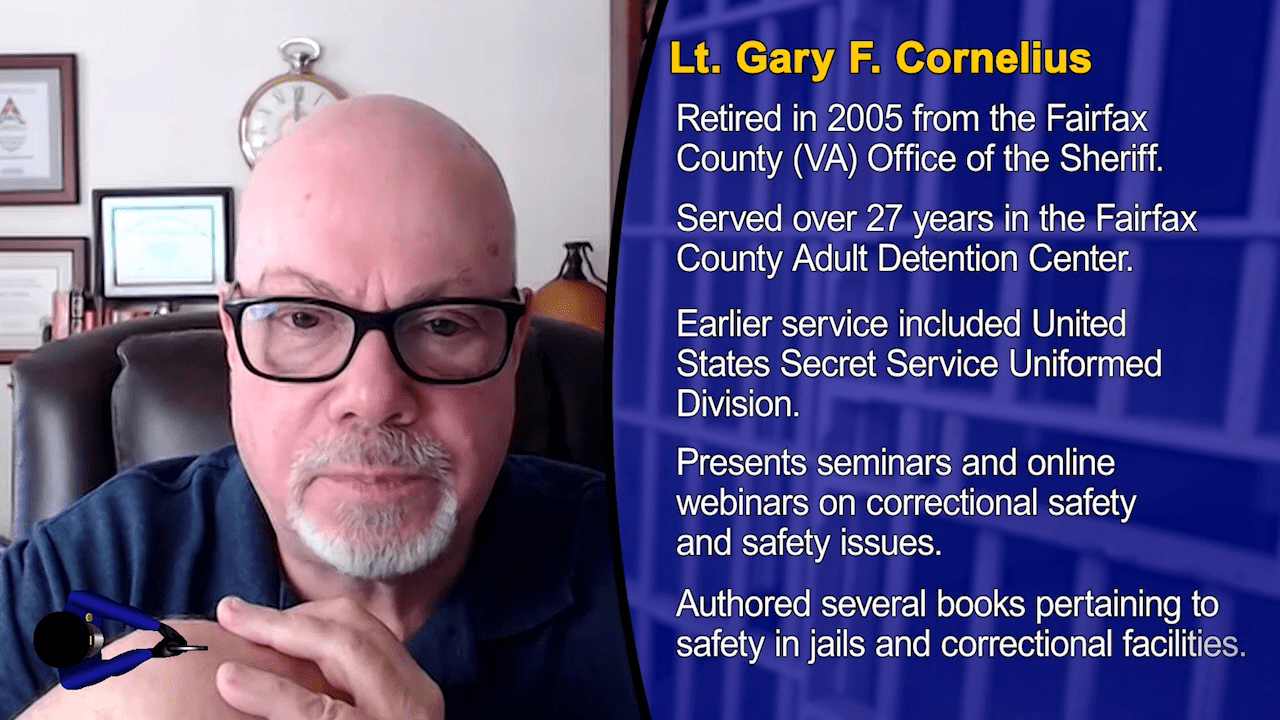
SI76 – Part II: How Cons and Criminals Try to Play Corrections Officers and Cops
In Part II, corrections expert Gary Cornelius provides viewers and students with vitally important information related to how cons and criminals use social media to try to get over on law enforcement both inside and outside penal institutions. Gary points out that “..cell phones are better than gold…” to criminals, because they provide a window to not only the outside world but also provide huge opportunities for them to communicate with others also in incarcerated settings.
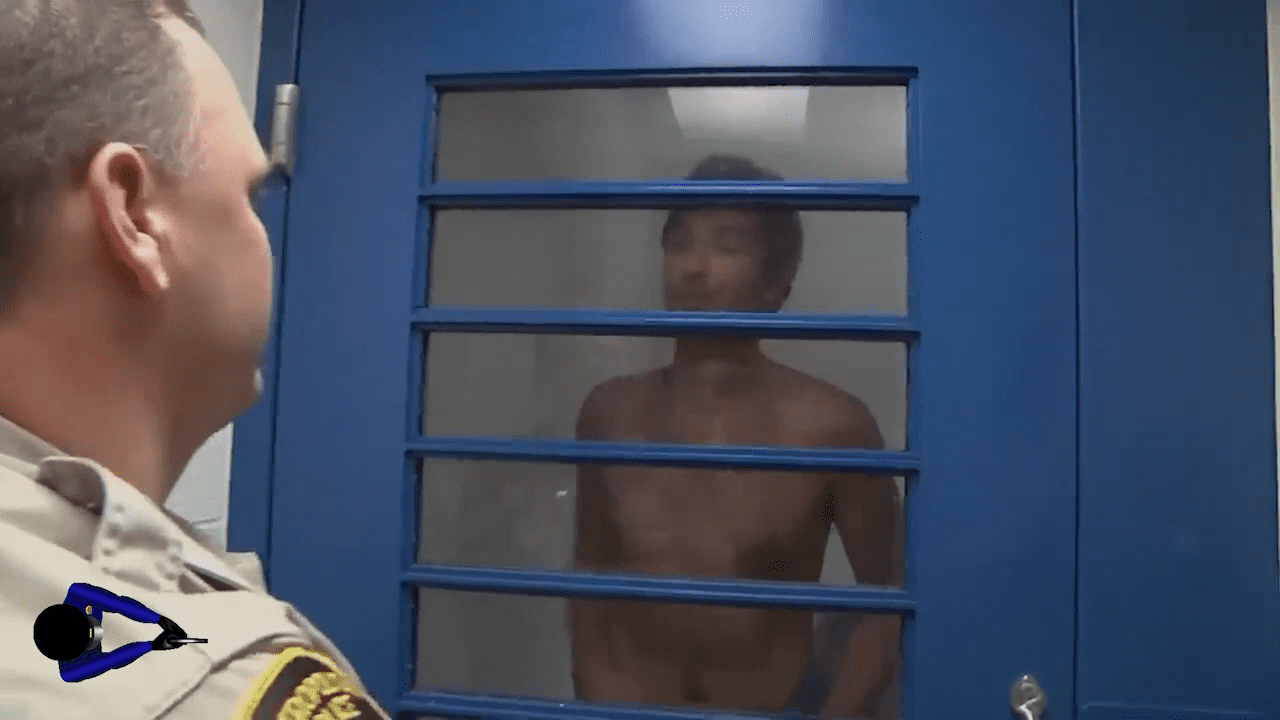
SI75 – Part I: How Cons and Criminals Try to Play Corrections Officers and Cops
Every veteran corrections officer or cop knows that criminals have a different mindset than those who obey laws and try to live normal lives. Criminals learn very early how to lie, cheat, and deceive and feel most who lead their lives by the law are “chumps”. Law enforcement has to know they are dealing with people who were “running the streets” at night as young offenders while the majority of people were in bed sleeping, preparatory to the next day’s school or workplace.
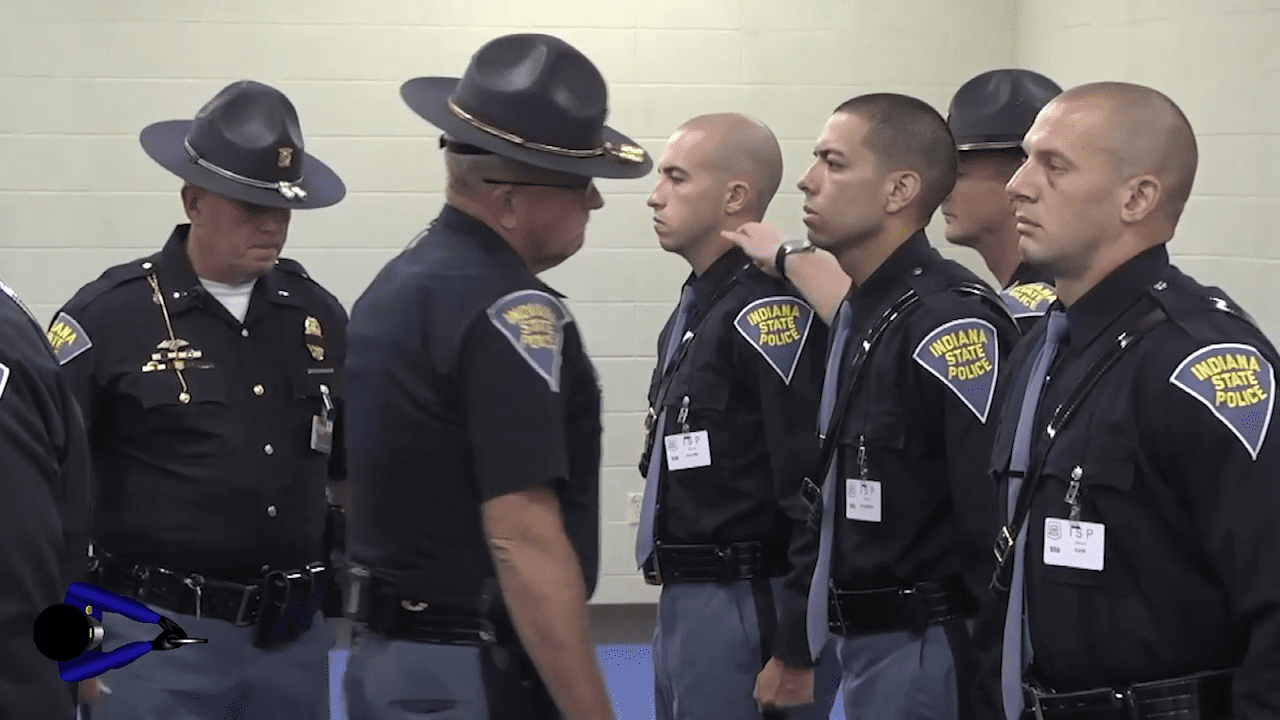
SI74 – Leadership and Supervision/Keeping ‘Toxic’ Out of the Workplace Part II
In Part II of our series on toxic workplaces, you’ll be given still more valuable information on how do deal with these extremely vexing, complex, and thorny issues that, honestly, can become the primary reason(s) officers leave a given department or may even leave the law enforcement profession entirely. Again, we enlist the services of superb retired officers who have more than 120 years of law enforcement expertise on this critical issue.
SI73 – Leadership and Supervision/Keeping ‘Toxic’ Out of the Workplace Part I
In this pioneering two-parter, one of the most crucial issues law enforcement officers will ever have to deal---IS dealt with as never before. No, it’s not the many challenges of the street and putting cuffs on criminals or putting a bite on crime. It’s the innumerable challenges all officers will encounter in their offices, precincts, districts, stations or hq’s.
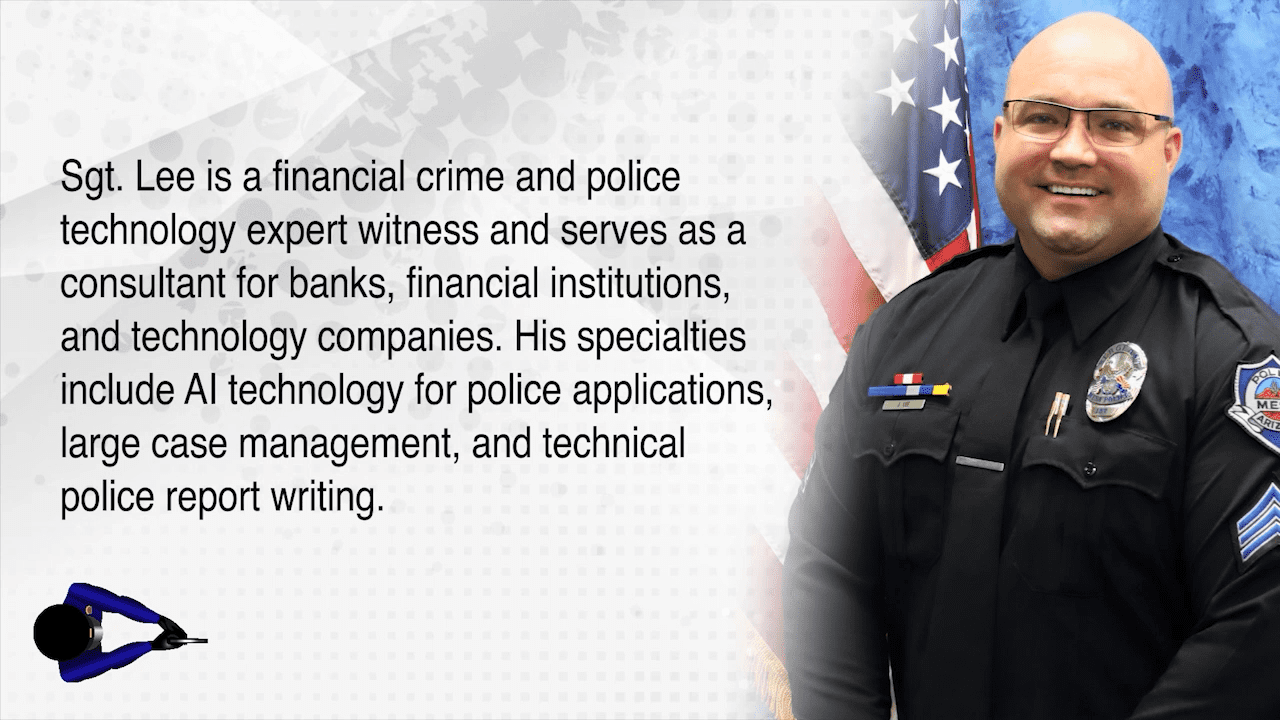
SI71 – Exclusive/AI and Its Amazing Portent for L.E.
It is widely felt Artificial Intelligence will have an impact on virtually every career path in existence and, indeed, already has in many instances. It absolutely includes law enforcement. This pioneering program featuring, perhaps, the most knowledgeable AI expert in law enforcement, will underscore that.
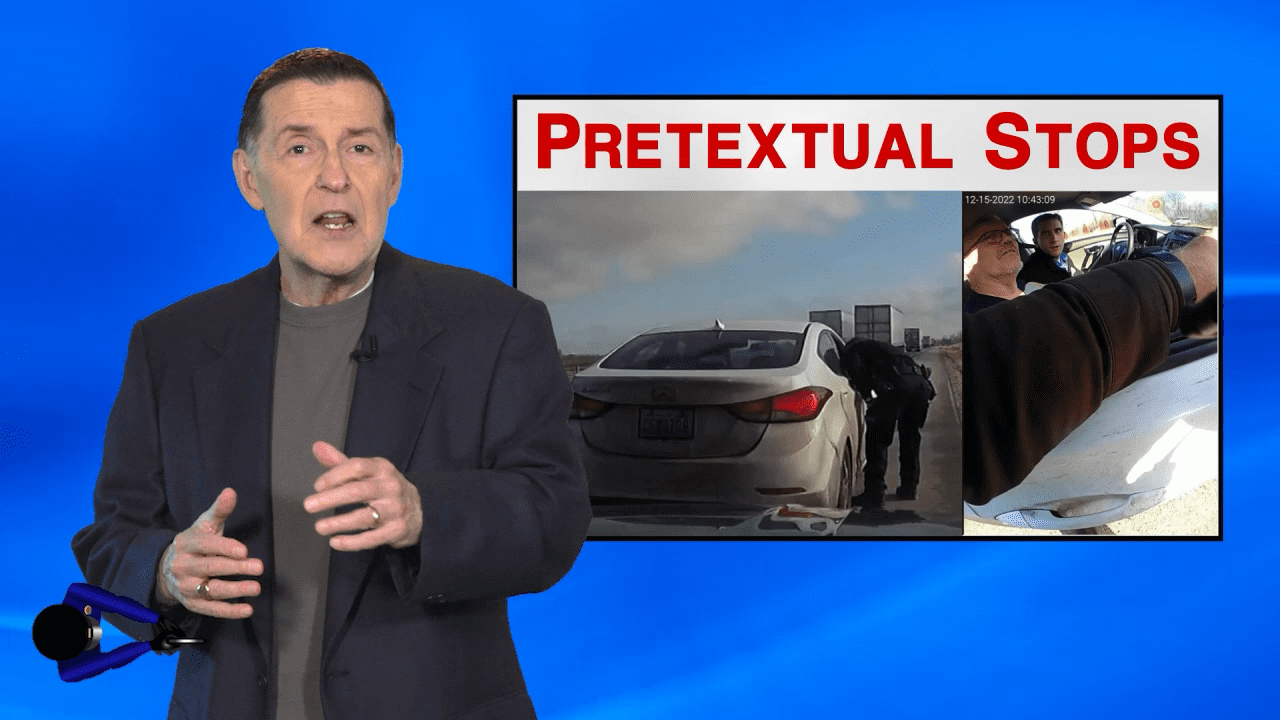
SI70 – Pretextual Stops/The Case for Them
One of law enforcement’s most controversial issues in recent years has been pretextual stops, traffic and pedestrian. Such stops include broken taillights, following too closely, sudden lane changing, hanging license plates, expired tags, bulky clothes or jackets that seem to list to one side, refusal to make eye contact, etc.
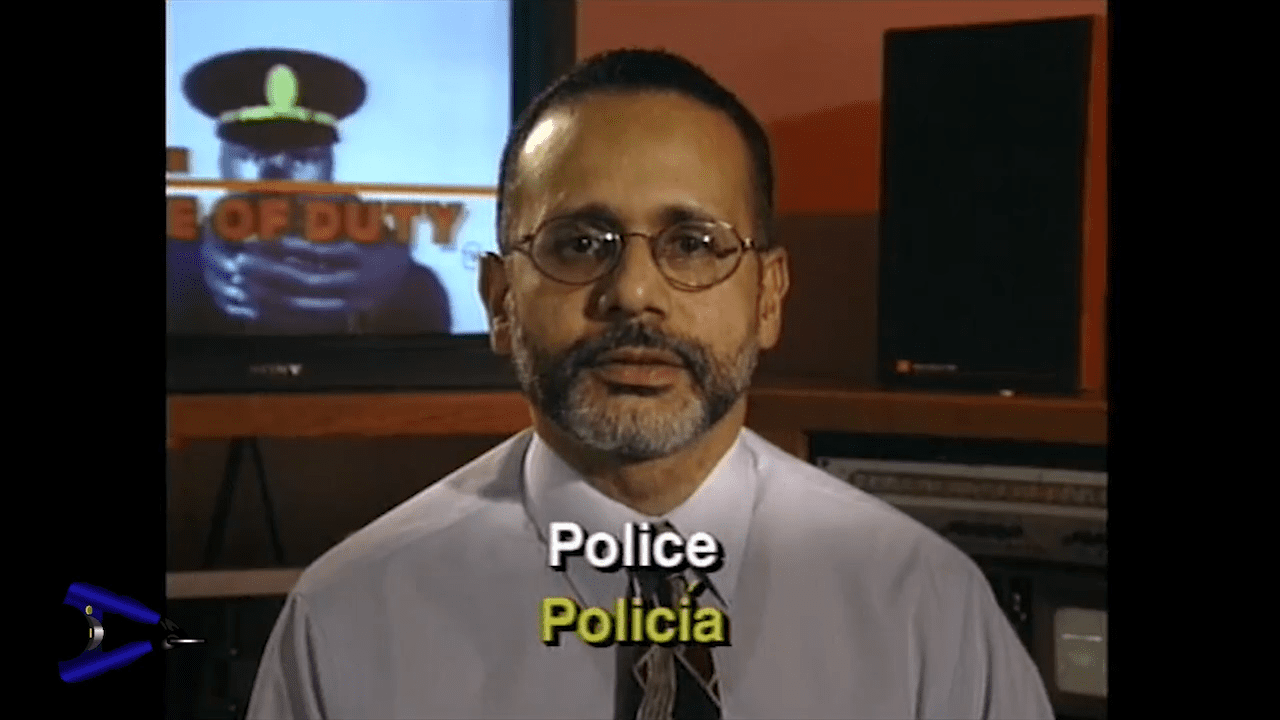
SI69 – The Hispanic Experience/What Every Cop Needs to Know
Overview
It is vitally important every street and patrol officer become aware of key elements of the Hispanic Experience. It is almost a certainty that officers will encounter Hispanics and Hispanic Americans in their day-to-day encounters with the public. This now, of course, is true far beyond simply our Southern border states.
SI68 – Stopping Active Shooters before They Act/The Wistockian Theory
Overview
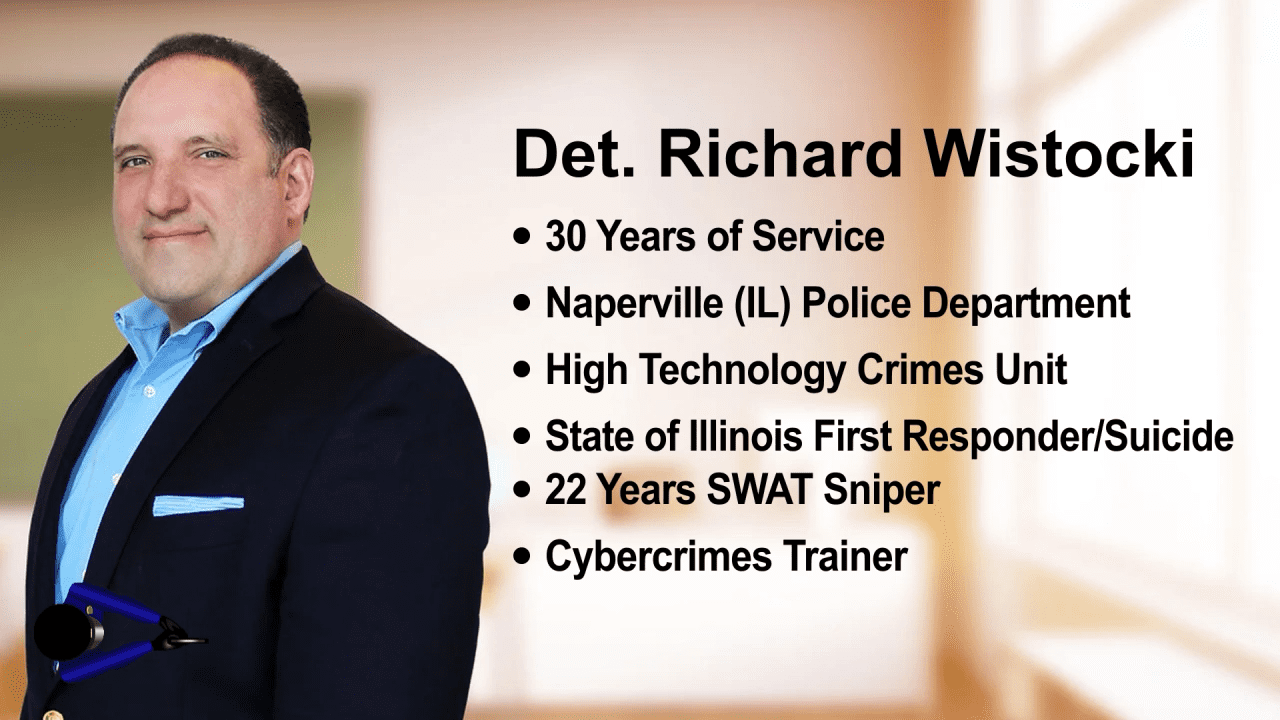
Det.(Ret.)Richard Wistocki, an expert in cybercrime, has developed a step-by-step plan of action that has identified potential active shooters via phone and computer forensics. As of this production, his teachings have thwarted an estimated
- 55 acts of violence
- 30 acts of swatting
- 13 school shooting threats
- 7 death threats
- 5 bomb threats
- 32 instances of ‘sextortion’ as of this production.
He calls it The Wistockian Theory.
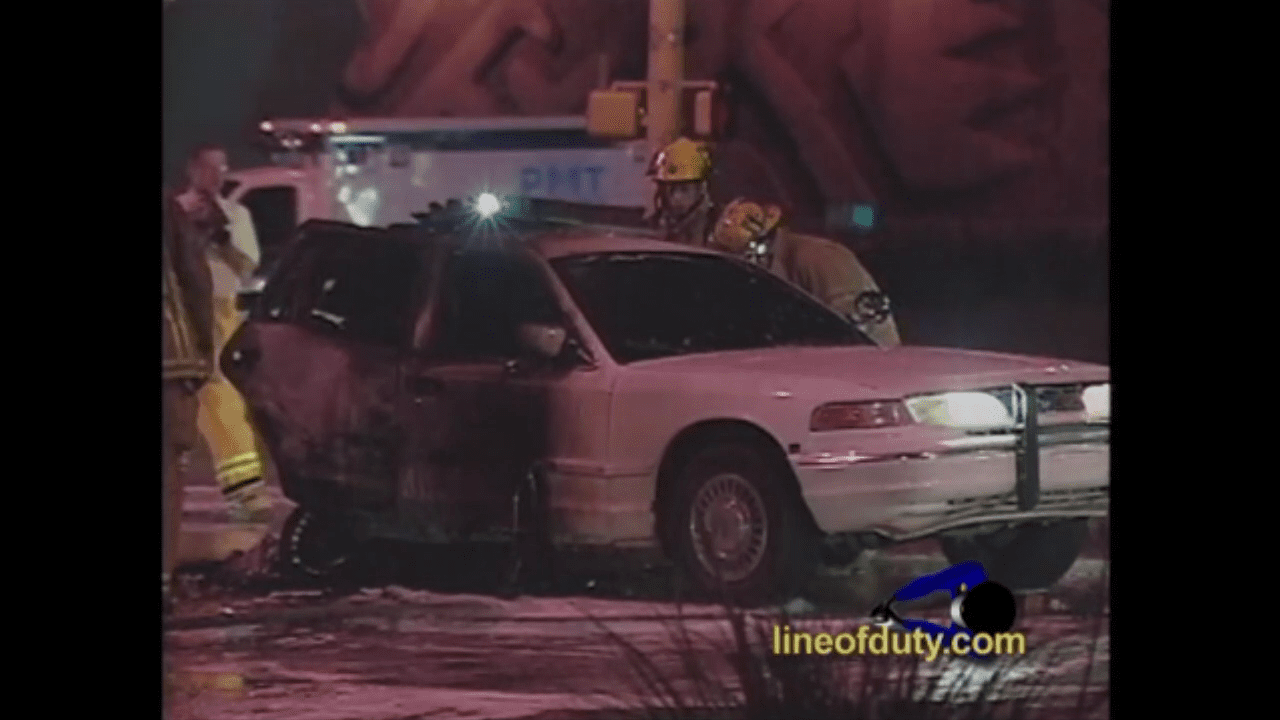
SI67 – Iron Will to Survive/’Burned Alive’/the Incredible Journey of Officer Jason Schechterle
This program is an update to In the Line of Duty’s Volume 9 Program 3 which detailed the horrific crash that left Phoenix officer Jason Schechterle with fourth-degree burns and life-changing disfiguring injuries. This update features Jason more than two decades later discussing his incredible emotional and spiritual journey.